After plenty of drunken conversations at 3 am in the morning outside fast food shops in a busy city centre, attending a non-agricultural university really opened my eyes to how out of touch my peers are with British food production and modern farming practises.
Yet these late night conversations illustrated a deep-rooted desire from my peers to know where their food comes from and how exactly it is produced.

Whether a meat-eater, vegetarian or vegan, I firmly believe your choice to eat what you want is yours and yours alone. But whilst I am not prejudice towards other peoples’ choices, I have encountered prejudice due to my farming background and different perspective about the production of food.
For instance, it is often not recognised that British farmers are producing food for everyone across a range of price points that is affordable to all.
But more often than not I am told misconceptions about the industry that are simply not true and have encountered a lot of negative, hostile opinions.
And with the climate change conversation taking more and more precedent in media coverage every day, I, like many other farmers, feel it is time to set the record straight about British agriculture, especially red meat, and the importance of eating seasonally and sustainably.
This means British agriculture has some of the highest animal welfare standards in the world: so purchasing British meat ensures that from farm to fork, that animal has had the best quality of life adhering to the best welfare standards at every single stage.
The UK is also one of the lowest antibiotic users in the EU – usage on British farms reduced by 53% on farms between 2014-2018. This means UK farmers are using antibiotics on farm in a responsible way to tackle and prevent antibiotic resistance in comparison to globally where antibiotics are seen as a tool to enhance faster, more profitable animal growth.
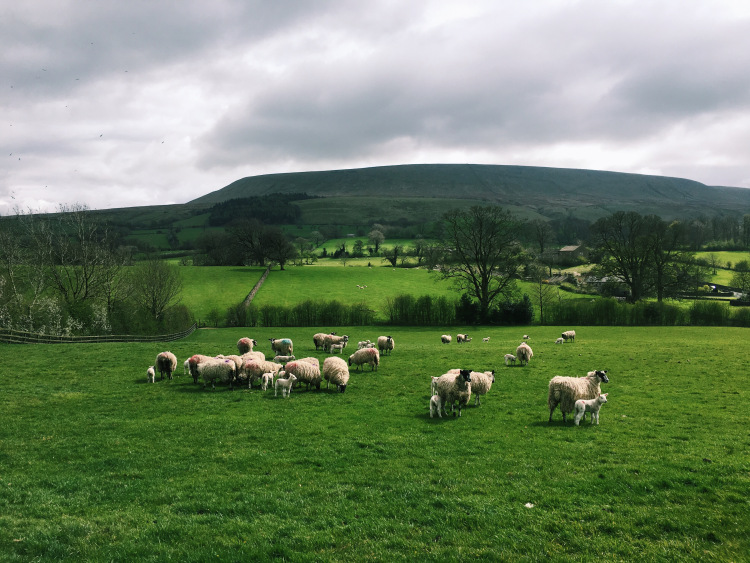
Interestingly, only 65% of UK farmland is suitable for growing grass and grazing livestock – this means the land cannot be used to grow cereals, fruit or vegetables. So grazing sheep and cows is the best way of converting this luscious green grass into protein fit for human consumption whilst making efficient and sustainable use of one of the country’s most natural resources.
But perhaps more impressively, these livestock pastures also act as carbon sinks, sequestrating atmospheric co2 in the soil as well as providing vital habitats and food sources for some of our most treasured wildlife species.
In the UK carrots, cauliflowers, potatoes and peas are available from British growers all year round but other fruit and vegetables have much shorter seasons – why not visit the Great British Larder to find out what is in season when!
With the UK average household only spending 8% of income on food, the third lowest in the world, it therefore does not seem to me an unreasonable ask when considering all of the above for consumers to spend an additional £1 on British produce, especially red meat, rather than purchasing cheaper foreign alternatives.
After all, it is all about making conscious choices regarding the provenance of the food in your fridges and cupboards and by buying British you are simply supporting sustainable agriculture.